
Allergies and Food Sensitivities
Allergies and food sensitivities are two distinct responses. Allergies occur when the immune system reacts to harmless food proteins, which can lead to severe and potentially life-threatening reactions, such as anaphylaxis. In contrast, food sensitivities or intolerances involve non-immune digestive or chemical issues, such as lactose intolerance. Allergy and food sensitivity testing defines whether the response is immune mediated and a true allergy or a gut-centred food sensitivity.
The Difference Between Food Allergy and Food Sensitivity
- IgE-Mediated Food Allergy – a rapid immune reaction driven by IgE antibodies, with symptoms such as hives, lip swelling, and anaphylaxis appearing within minutes.
- Non-IgE Allergy/Food Sensitivity – reactions are delayed hours to days following exposure and often gut-centred, such as bloating, brain fog, and eczema. Mechanisms include T-cell activation, enzyme deficiencies, or microbiome imbalance.

Most Common Triggers We See in Clinic
| Allergen or Trigger | Typical Reaction Window | Notes |
|---|---|---|
| Peanut, tree nuts, shellfish, egg, milk. | Minutes - 1 Hour (IgE) | Carry action plan and epinephrine. Oral food challenge is the gold standard diagnostic to confirm if the patient has outgrown the allergy. |
| Wheat (gluten), soy, sesame. | Minutes - Days | Can be IgE or a mixed picture. |
| FODMAP-rich foods such as onion, garlic, legumes. | 30 Minutes - 24 Hours | Fermintation causes gas and pain in IBS. |
| Histamine-rich foods such as wine, aged cheese. | 15 Minutes - 4 Hours | DAO enzyme deficiency or mast-cell activation. |
| Food additives such as sulphites, benzoate, salicylate. | Minutes - 24 Hours | Non-IgE; often respiratory or urticaria (a rash of round, red welts that itch intensely) |
The Root Causes of Allergies and Food Sensitivities
Finding root causes of food allergies and sensitivities involves tracking symptoms (food diary), medical diagnosis (via elimination diets and supervised oral food challenges), and understanding contributing factors such as genetics, gut microbiome changes (hygiene hypothesis, antibiotics, C-sections), vitamin D deficiency, and early food introduction.
Barrier Breakdown
Low stomach acid, intestinal permeability ("leaky gut"), and gut dysbiosis (imbalance) create a perfect storm in which undigested, large food proteins can pass the gut barrier, triggering immune responses, inflammation, and allergies. Stomach acid typically breaks down these large proteins, and a healthy microbiome/barrier keeps large particles out.
Microbiome Skew
A microbiome skew (dysbiosis) with insufficient butyrate-producing bacteria weakens oral tolerance, increasing allergy risk, because butyrate promotes regulatory immune cells (Tregs) and strengthens the gut barrier, preventing overreactions to harmless food. A deficiency in these bacteria leads to lower butyrate levels, reduced tolerance, increased inflammation, and a higher risk of allergic responses.
Enzyme Deficits
Genetic variants in enzymes can significantly impact histamine breakdown, leading to symptoms mimicking allergies (histamine intolerance). In contrast, lactase and sucrase-isomaltase variants cause sugar malabsorption (intolerances/sensitivities) rather than true allergies.
HPA Axis Stress
Stress through the HPA axis can affect tight junctions and mast cells, contributing to allergies by disrupting gut/skin barriers and making immune cells more reactive. This results in inflammation, increased histamine release, and heightened allergic responses. Stress itself doesn't cause allergies, but it can worsen symptoms. Cortisol, the main stress hormone, affects immune balance, and mast cells - key players in allergy - are activated by stress signals like CRH, increasing inflammatory mediators and gut permeability, thereby worsening allergic conditions such as atopic dermatitis.
Allergy and Food Sensitivity Testing at All Naturopath
Whether you present to our clinic with a suspected food allergy or delayed sensitivities, we conduct food allergy and sensitivity testing to guide the most appropriate and evidence-informed treatment. This will include, but is not limited to:
For Suspected Immediate Allergic Response
Skin Prick Test & Serum-Specific IgE
Skin Prick Test (SPT) and Serum-Specific IgE have high sensitivity. In contrast, specific IgE and the basophil activation test (BAT) have high specificity to support the diagnosis of individual food allergies.
Component-Resolved (CRD) IgE Testing
CRD identifies specific allergenic proteins (like peanut's Ara h 2, Ara h 6, or egg's Gal d 1, Gal d 2) instead of whole extracts. CRD testing offers a more precise diagnosis of food allergies, predicts severity (especially Ara h 2 in severe peanut reactions), and guides management.
Supervised Oral Food Challenge
Oral food allergen challenges are standardised procedures in which incremental amounts of a particular food are fed to a patient, usually over a period of 2 to 3 hours. The patient is monitored to determine whether the food being tested causes an allergic reaction and observed for a minimum of 1 hour after the last dose or reaction. Observation can be longer (two to four hours), depending on the clinical situation and the food being challenged. Oral food allergen challenges are performed under medical supervision due to the risk of severe allergic reaction (anaphylaxis).
For Delayed Sensitivities and Gut-Immune Crosstalk
Guided Elimination and Re-Challenge
Guided food elimination diets and re-challenge are the most evidence-based approach for food intolerances and sensitivities.
Microbiome Analysis
Comprehensive stool microbiome analysis helps identify food sensitivities by revealing gut imbalances (dysbiosis) that can impair digestion. Analysis can reveal pathogens or intestinal permeability, which can trigger the body's reaction to certain food particles.
Blood/Stool Tests
Zonulin Blood/Stool Tests assess intestinal permeability, or "leaky gut," by measuring the protein that regulates gut tight junctions.
Increased zonulin indicates a compromised gut barrier, allowing undigested food particles and toxins to pass through, potentially triggering food sensitivities, inflammation, and autoimmune responses.
Breath Tests
Breath Tests (Lactulose/Glucose) check for small intestinal bacterial overgrowth (SIBO) by measuring hydrogen and methane gases after a sugar drink.
As bacteria ferment foods, causing bloating, gas, and malabsorption, these symptoms can mimic or worsen food intolerances, such as FODMAP issues.
Stool Tests
Faecal Calprotectin is a non-invasive marker of intestinal inflammation that detects neutrophils (inflammatory cells) in stool.
High levels suggest inflammation, which can be triggered or exacerbated by food intolerances, though it also indicates IBD (Inflammatory Bowel Disease).
Our Treatment Framework
Food-First Medicine
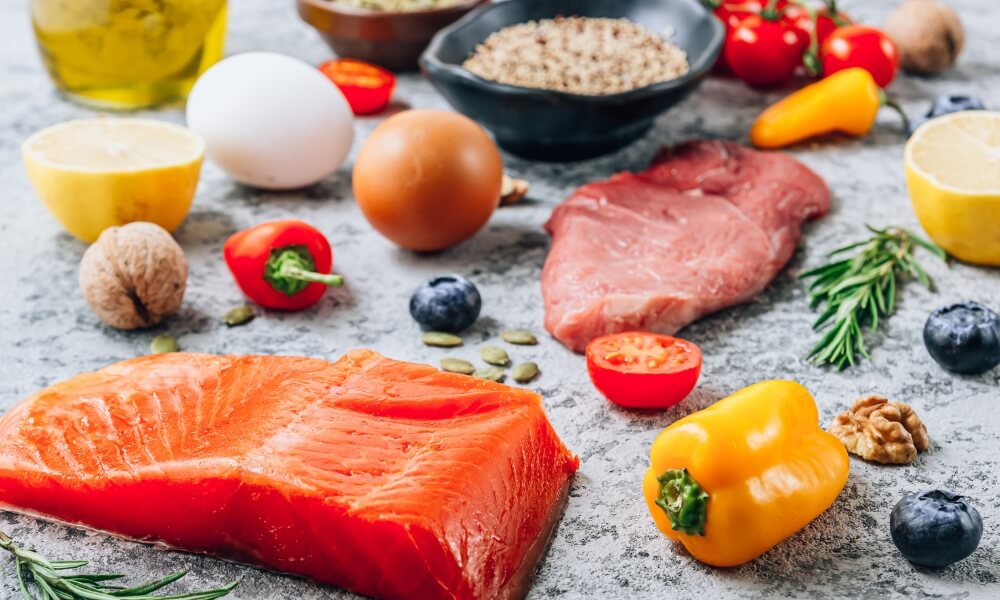
Elimination Diet: Elimination diets identify food intolerances, sensitivities, and allergies through dietary means. Reintroducing trigger foods that elicit intolerances/sensitivities (non-immune responses) often helps build tolerance. The goal is to determine a new tolerance threshold that allows a varied diet without symptoms. However, elimination and reintroduction do not treat or cure true food allergies (which involve the immune system).
Anti-inflammatory Mediterranean Plate: Colourful low-FODMAP vegetables, omega-3-rich wild-caught fish, and extra-virgin olive oil.
Processing Hacks – Soaking legumes and pressure-cooking grains reduces digestive discomfort and intolerance caused by naturally occurring compounds such as lectins, phytic acid (antinutrients), and oligosaccharides (complex sugars). The process of soaking helps neutralise enzyme inhibitors, such as lectins, and breaks down phytic acid, which can interfere with the absorption of essential minerals such as iron, zinc, and calcium. Soaking also dissolves 75% to 90% of complex sugars, which are a primary cause of gas and bloating. For dairy sensitivities, choose A2 dairy if sensitive to β-casein.
Gut Repair and Microbiome Balance
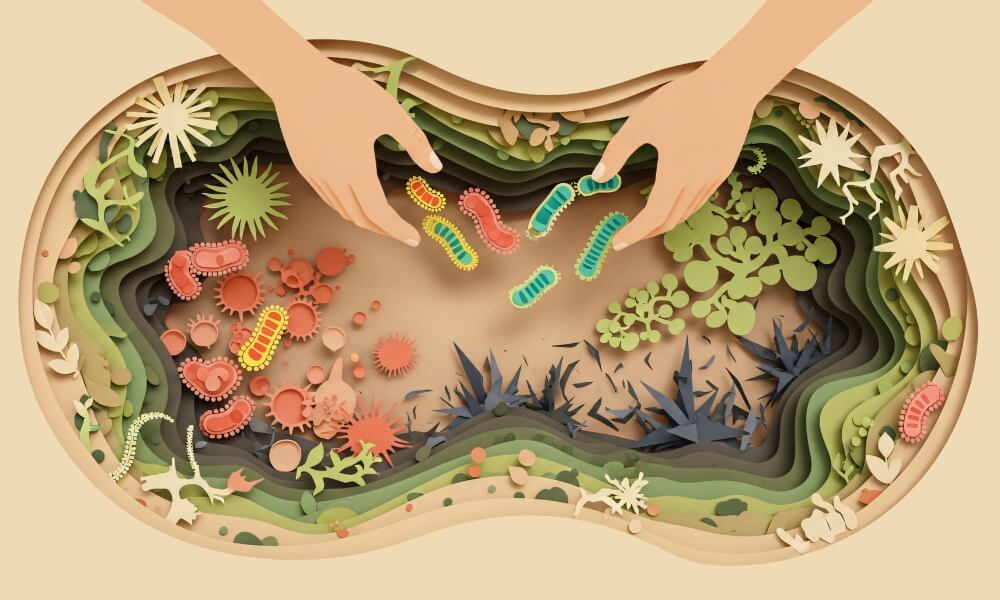
Glutamine, partially-hydrolysed guar gum (PHGG) and polyphenol-rich powders feed beneficial bacteria, tighten junctions and lower zonulin.
Glutamine, an essential fuel source for intestinal cells, helps maintain and repair the intestinal lining, increasing the expression of tight junction proteins like ZO-1.
PHGG is a prebiotic fibre that is fermented by colonic bacteria to produce beneficial short-chain fatty acids (SCFAs), like butyrate, which are an important energy source for colon cells.
Polyphenols act as prebiotics, promoting a healthier balance of microbes in the gut. They also help to regulate zonulin levels and reinforce tight junction integrity.

Evidence-Based Nutrients and Herbs
Quercetin
- Evidence: Stabilises mast-cells and lowers histamine release.
- Dose: 250-500mg twice daily.
Vitamin C
- Evidence: Regenerates DAO and dampens wheal response on SPT.
- Dose: 500-1000mg three times daily.
Omega-3 EPA/DHA
- Evidence: Downregulates allergic cytokines and supports the gut barrier.
- Dose: >1000mg
Probiotics
- Evidence: Reduces the severity of eczema and allergic rhinitis; aids tolerance training.
- Dose: L.rhamnosus GG, B.lactis HN019.
DAO Enzyme (Hitamine Intolerance)
- Evidence: Studies show DAO supplements taken with meals help manage allergy-like symptoms by processing histamine before it enters the bloodstream, reducing inflammation and discomfort.
- Dose: 4.2mg right before high-histamine meals.
Parasympathetic Nervous System Activation
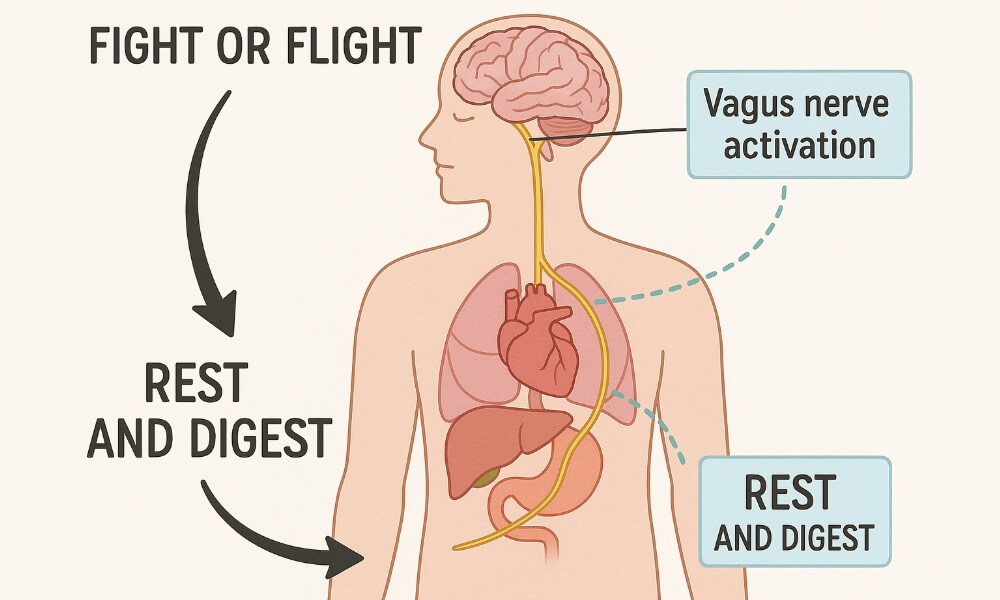
CBD, mindful breathing and yoga reduce mast-cell triggering via vagal tone.
CBD (cannabidiol) has been studied for its anti-inflammatory properties and potential ability to modulate immune responses, which might extend to mast cell activity, though research on its specific mechanism via the vagus nerve in humans is ongoing.
Mindful breathing and yoga are well-documented techniques used in complementary medicine to activate the parasympathetic nervous system (the body's "rest and digest" system) and improve vagal tone, which can calm the inflammatory response.
Are You Ready to Take Back Control?
Angela La Leggia blends cutting-edge immunology with two decades of naturopathic wisdom to create a plan that addresses your unique allergen profile.
She investigates your allergy and food sensitivities profile through a functional, root-cause lens, fusing the latest research with your lived experience to craft evidence-based protocols.
At All Naturopath, your goals inform every decision, ensuring truly patient-centred care. Angela starts with “food-first” medicine, then layers in targeted, evidence-based nutrients and herbs, addresses your gut microbiome to improve function and reduce inflammation, and follows up with strategies to activate your parasympathetic nervous system, all in an effort to bring about systemic calm and dampen the inflammatory response.
Call 0402 926 675 or request an appointment online today!